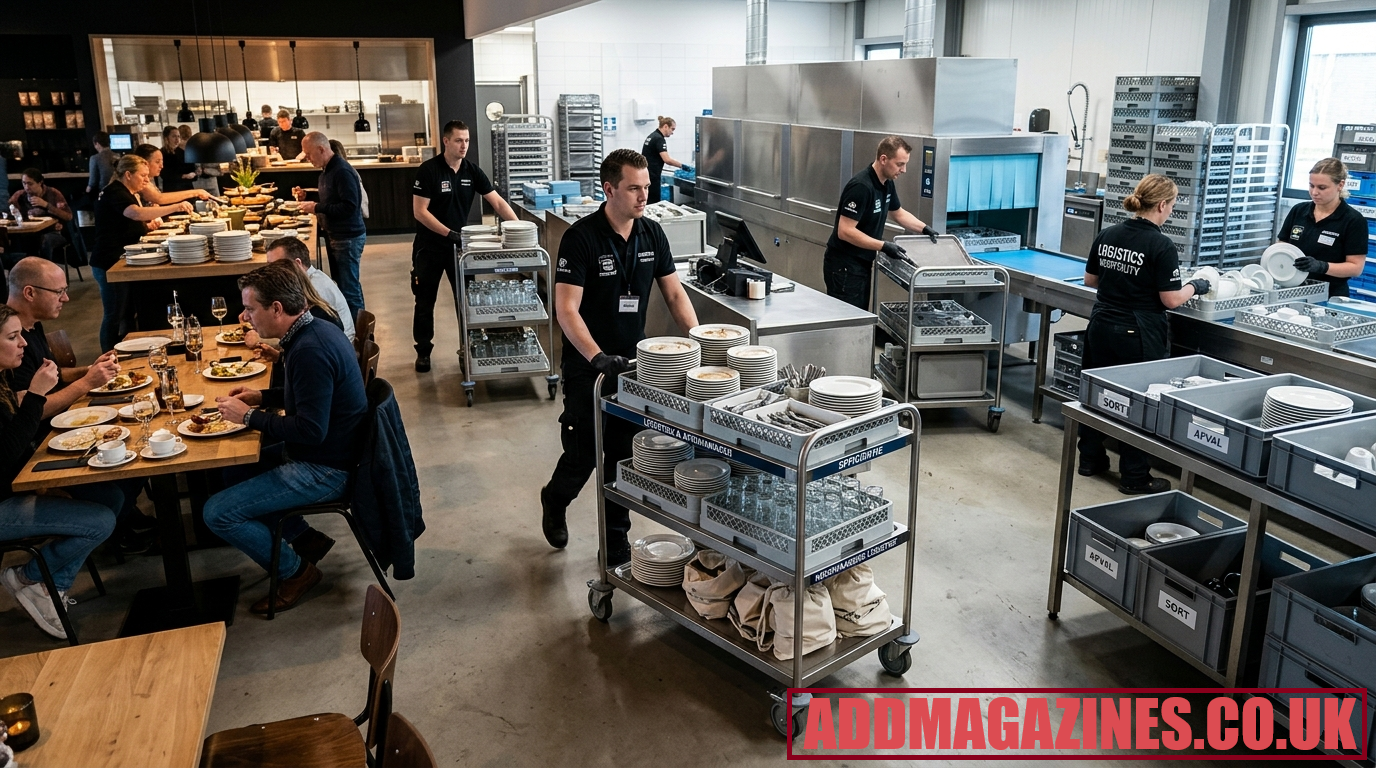
In busy environments like restaurants, hotels, catering services, and institutional kitchens, efficiency is everything. One of the most practical tools that helps keep operations smooth and organized is the afruimwagen. This Dutch term refers to a clearing-away trolley designed to collect and transport used dishes, cutlery, glasses, and waste from dining or service areas back to the kitchen or washing stations. While simple in appearance, these trolleys play a crucial role in maintaining cleanliness, speeding up service cycles, and reducing staff workload. In fast-paced hospitality settings, where every second matters, afruimwagens ensure that tables are cleared quickly and efficiently, allowing new guests to be seated without delay and keeping the entire service flow uninterrupted.
What Are Afruimwagens and Why Are They Important?
An afruimwagen is essentially a multi-level trolley specifically built for transporting used tableware and waste materials. It is commonly found in professional kitchens and dining establishments where large volumes of dishes must be handled efficiently. These trolleys typically feature several shelves that allow staff to stack plates, trays, and glassware securely without risk of breakage. Their design is focused on speed, hygiene, and ease of movement. Instead of making multiple trips back and forth to the kitchen, staff can collect everything in one go, significantly improving operational productivity. In large-scale hospitality environments, afruimwagens are not just convenient tools—they are essential assets that directly impact service quality and turnaround times.
Core Design and Structure of Afruimwagens
The construction of afruimwagens is carefully engineered to withstand heavy daily use. Most models are built from stainless steel (RVS) or high-quality reinforced plastic, both chosen for their durability and ease of cleaning. Stainless steel versions are especially popular in professional kitchens due to their resistance to corrosion and hygienic surface. The structure usually includes two to four shelves, each designed to hold significant weight while maintaining balance. Some models also incorporate side rails or raised edges to prevent items from slipping during transport. The overall design is functional, minimalistic, and focused on supporting fast-paced environments where reliability is more important than aesthetics.
Key Features That Improve Efficiency
Modern afruimwagens come equipped with a range of features that enhance usability and performance. One of the most important elements is the multi-shelf system, which allows users to separate items such as plates, glasses, and cutlery for better organization. Many models also include built-in compartments or containers specifically designed for waste disposal or sorting utensils. Another crucial feature is the wheel system, often consisting of swivel castors or ball-bearing wheels that ensure smooth movement across different floor surfaces. Ergonomic handles are also standard, allowing staff to push or steer the trolley comfortably even when it is fully loaded. These thoughtful design elements make the trolley an indispensable part of daily operations.
How Afruimwagens Improve Hospitality Operations
In the hospitality industry, speed and cleanliness are directly linked to customer satisfaction. Afruimwagens play a key role in maintaining both. By allowing staff to clear tables quickly and efficiently, they help reduce waiting times for new guests and ensure that dining areas remain clean and presentable. This is particularly important in high-traffic environments such as buffet restaurants, hotel dining halls, and event catering services. The use of these trolleys also minimizes physical strain on employees, as they reduce the need for repeated lifting and carrying of heavy loads. As a result, staff can work more efficiently while maintaining higher standards of hygiene and service quality.
Beyond Restaurants: Other Practical Applications
Although primarily associated with the hospitality sector, afruimwagens are also widely used in other industries. In healthcare environments such as hospitals and clinics, similar trolleys are used to transport medical supplies, linens, and waste materials between departments. In warehouses and logistics centers, they help move tools, packaging materials, or sorted goods efficiently. Offices and institutional buildings also use them for handling documents, cleaning supplies, and maintenance equipment. This versatility makes them a valuable asset far beyond restaurant kitchens. Their adaptable design means they can be customized or selected based on specific operational needs in different professional environments.
Material Choices and Their Benefits
The materials used in afruimwagens significantly influence their durability and functionality. Stainless steel models are highly durable, resistant to rust, and easy to sanitize, making them ideal for food-related environments where hygiene is critical. Plastic variants, on the other hand, are lightweight, cost-effective, and easier to maneuver, which makes them suitable for lighter workloads or smaller establishments. Some advanced models combine both materials, using a steel frame with plastic shelving for a balance of strength and weight efficiency. The choice of material often depends on the intensity of use, budget constraints, and hygiene requirements of the specific workplace.
Ergonomics and Ease of Use in Daily Operations
One of the most important aspects of afruimwagens is their ergonomic design. In busy work environments, staff often need to move quickly while handling heavy loads, which can lead to fatigue or injury if equipment is poorly designed. These trolleys are built with user comfort in mind, featuring adjustable handle heights, smooth-rolling wheels, and balanced weight distribution. This reduces physical strain and allows employees to work more efficiently over long shifts. Additionally, the ease of maneuvering through tight kitchen spaces or crowded dining areas ensures that workflow remains uninterrupted, even during peak service hours.
Maintenance and Hygiene Considerations
Maintaining cleanliness is essential in any environment where food or sensitive materials are handled, and afruimwagens are designed with this in mind. Their smooth surfaces make them easy to clean and disinfect, preventing the buildup of bacteria or residue. Regular maintenance typically involves wiping down shelves, checking wheel functionality, and ensuring that waste compartments are emptied and sanitized. Stainless steel models are particularly easy to maintain due to their non-porous surface. Proper care not only extends the lifespan of the trolley but also ensures compliance with strict hygiene standards in professional kitchens and healthcare settings.
Customization and Specialized Variants
Different industries often require specialized versions of afruimwagens to meet specific operational needs. For example, restaurants may opt for models with additional cutlery bins or glass holders, while hotels might require larger trolleys for banquet services. In healthcare, trolleys may be designed with enclosed compartments to prevent contamination. Some advanced versions even include modular shelving systems that can be adjusted based on task requirements. This level of customization ensures that the trolley can be adapted to a wide range of professional applications, making it a flexible and valuable tool across multiple sectors.
The Role of Afruimwagens in Workplace Efficiency
Efficiency is a key factor in any successful operation, and afruimwagens contribute significantly to improving workflow. By reducing the number of trips needed to clear tables or transport items, they save time and labor. This allows staff to focus on more important tasks such as customer service or food preparation. In large-scale operations, even small time savings can translate into significant productivity gains. Additionally, the organized structure of these trolleys helps reduce clutter and improve workplace safety, minimizing the risk of accidents caused by scattered dishes or waste.
Conclusion: Why Afruimwagens Remain Indispensable
In conclusion, afruimwagens are far more than simple trolleys—they are essential tools that support efficiency, hygiene, and organization in a wide range of professional environments. From restaurants and hotels to hospitals and warehouses, their versatility and practical design make them indispensable. By combining durability, ergonomic design, and functional features, they help streamline daily operations and improve overall productivity. As industries continue to evolve and demand higher efficiency, the role of these clearing-away trolleys will remain just as important, ensuring smooth workflows and maintaining high standards of service across multiple sectors.
For More Updates: