Koriandri: The Aromatic Spice That Connects Global Kitchens and Wellness Traditions

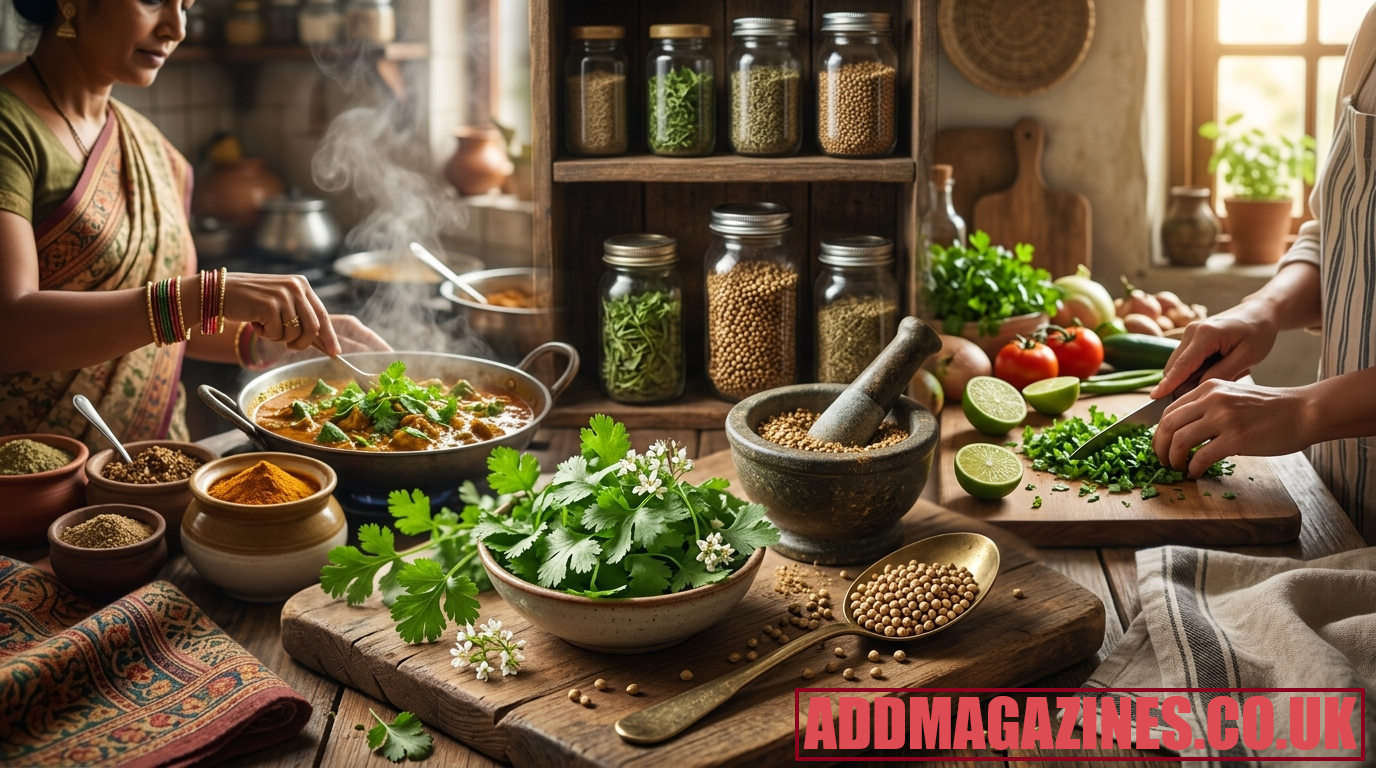
Koriandri is the Estonian term used for coriander seeds, which come from the plant Coriandrum sativum. This humble plant has traveled across continents and centuries, becoming one of the most widely used culinary and medicinal herbs in the world. While many people instantly recognize its fresh green leaves as cilantro in some regions, the dried seeds carry a completely different personality—warm, slightly citrusy, nutty, and deeply aromatic. This dual identity makes the plant unique, as both its leaves and seeds are used in cooking, but for entirely different flavor profiles and purposes.
In kitchens around the world, koriandri seeds are valued as a foundational spice. They are often gently roasted to unlock deeper flavors before being ground into powders or added whole into dishes. The taste is subtle yet complex, offering a mild sweetness combined with earthy undertones that enhance both savory and sweet recipes. Unlike the bright and sharp flavor of the fresh leaves, the seeds bring warmth and depth, making them essential in slow-cooked dishes where flavors develop over time. This contrast between leaf and seed is one of the reasons the plant holds such importance in global gastronomy, bridging freshness and warmth in a single ingredient.
Table of Contents
ToggleCulinary Importance Across Global Cuisines
The culinary influence of koriandri stretches far beyond a single region or cooking style. In Indian cuisine, it plays a central role in spice blends like garam masala and curry powders, where it contributes a balancing note that ties together stronger spices like cumin, turmeric, and chili. In Middle Eastern cooking, it appears in meat rubs, stews, and bread recipes, adding complexity without overpowering other ingredients. European cuisines also incorporate it in baked goods, pickles, and seasoning blends, especially in traditional sausages and rustic breads.
What makes koriandri particularly interesting is its adaptability. In its whole seed form, it is often used in pickling and brining, slowly releasing flavor into liquids over time. When ground, it becomes more immediate in impact, blending seamlessly into sauces, soups, and marinades. Even in modern fusion cuisine, chefs experiment with it in desserts, beverages, and contemporary dishes, showing how versatile it has become. Its ability to complement both savory and sweet preparations makes it a rare spice that crosses culinary boundaries effortlessly.
The fresh leaves of the same plant, often referred to as cilantro in many countries, provide a contrasting flavor profile. They are bright, citrus-like, and slightly peppery, making them ideal for garnishing fresh dishes such as salads, salsas, chutneys, and soups. This dual-use nature allows cooks to maximize flavor from a single plant, ensuring nothing goes to waste while enhancing a wide variety of recipes.
Nutritional and Health-Boosting Properties
Beyond its culinary value, koriandri is also appreciated for its impressive nutritional profile. It contains essential vitamins such as A, C, and K, along with beneficial plant compounds that act as antioxidants. These antioxidants help the body combat oxidative stress, which is linked to inflammation and various chronic conditions. Including this spice in everyday meals can contribute to overall wellness in a natural and flavorful way.
The seeds, in particular, are known for their digestive benefits. Traditionally, they have been used in herbal medicine systems to support gut health, reduce bloating, and improve overall digestion. They may also help stimulate digestive enzymes, making it easier for the body to process food efficiently. In some traditional practices, koriandri seeds are brewed into teas to soothe stomach discomfort and promote a calm digestive system.
Another interesting aspect is their potential role in supporting heart health. Some studies and traditional beliefs suggest that regular consumption may help in managing cholesterol levels and promoting healthy circulation. Additionally, the mild diuretic properties of the seeds may assist the body in eliminating excess water and toxins. While not a replacement for medical treatment, these natural properties make it a valuable addition to a balanced diet focused on long-term wellness.
The Role of Cilantro and Seeds in Balanced Nutrition
The dual nature of the plant—fresh leaves and dried seeds—offers a complete nutritional package. The leaves are rich in antioxidants and hydration-supporting compounds, while the seeds provide concentrated nutrients and essential oils. Together, they form a complementary pair that supports both flavor and health.
In many traditional diets, koriandri is used daily in small amounts, ensuring consistent exposure to its beneficial properties. Whether sprinkled fresh over a dish or slowly cooked into a stew, it contributes subtle yet meaningful nutritional value. Its natural compounds are believed to support detoxification processes in the body, helping to eliminate heavy metals and improve metabolic function. While modern science continues to explore these effects, centuries of culinary and medicinal use highlight its trusted role in natural health practices.
This balance of taste and nutrition is what makes the plant so enduring. It is not just a spice for flavor enhancement but also a functional ingredient that supports well-being. In an age where people are increasingly turning toward natural and plant-based ingredients, koriandri continues to hold strong relevance.
Cultivation and Growing Practices for Home Gardens
Growing koriandri at home is surprisingly simple, making it a popular choice for home gardeners and herb enthusiasts. It is an annual herb, meaning it completes its life cycle within one growing season. The plant thrives in well-drained soil and prefers cooler weather, as excessive heat can cause it to bolt quickly, leading to premature flowering and seed production.
Gardeners often grow it from seeds planted directly into soil, as it does not transplant well due to its delicate root system. Once planted, it requires moderate watering and plenty of sunlight, although partial shade can also be beneficial in hotter climates. The leaves can be harvested early, usually within a few weeks, allowing continuous picking for fresh culinary use.
If left to mature, the plant eventually produces flowers that develop into seed clusters. These seeds are harvested once they turn brown and dry, then stored for use as spice. This natural lifecycle makes it highly efficient, as both leaves and seeds can be enjoyed from the same plant within a single season. Many gardeners appreciate this dual harvest system, as it provides both fresh herbs and dried spice without additional planting.
Cultural Significance and Everyday Use
Across cultures, koriandri holds more than just culinary importance; it is deeply woven into food traditions and everyday cooking habits. In many households, it is considered an essential pantry spice, always available for seasoning meals. Its presence in traditional recipes often symbolizes comfort, heritage, and authenticity. From family recipes passed down through generations to modern restaurant dishes, it continues to maintain its cultural relevance.
The fresh leaves are often associated with freshness and vibrancy, commonly added just before serving to preserve their delicate flavor. Meanwhile, the seeds represent depth and tradition, forming the backbone of slow-cooked dishes that require time for flavors to develop. This balance between fresh and dried forms reflects the harmony found in many culinary traditions worldwide.
Even in contemporary cuisine, chefs continue to rediscover and reinterpret its uses. Whether infused into oils, blended into sauces, or used as a finishing spice, it remains a versatile ingredient that adapts to evolving food trends while preserving its traditional essence.
Conclusion: A Timeless Ingredient with Modern Relevance
Koriandri stands as a remarkable example of how a single plant can influence global cuisine, health practices, and gardening traditions. From its fragrant seeds to its vibrant leaves, it offers a complete sensory experience that enhances both flavor and nutrition. Its presence in kitchens across the world highlights its universal appeal and adaptability, while its medicinal properties continue to make it relevant in modern wellness discussions.
As more people explore natural ingredients and traditional foods, this humble spice continues to gain appreciation for its depth and versatility. Whether used in everyday cooking or gourmet experimentation, it remains a timeless ingredient that connects cultures, supports health, and enriches culinary creativity in meaningful ways.