United Airlines Flight UA770 Emergency Diversion: A Deep Dive into the 2025 Incidents

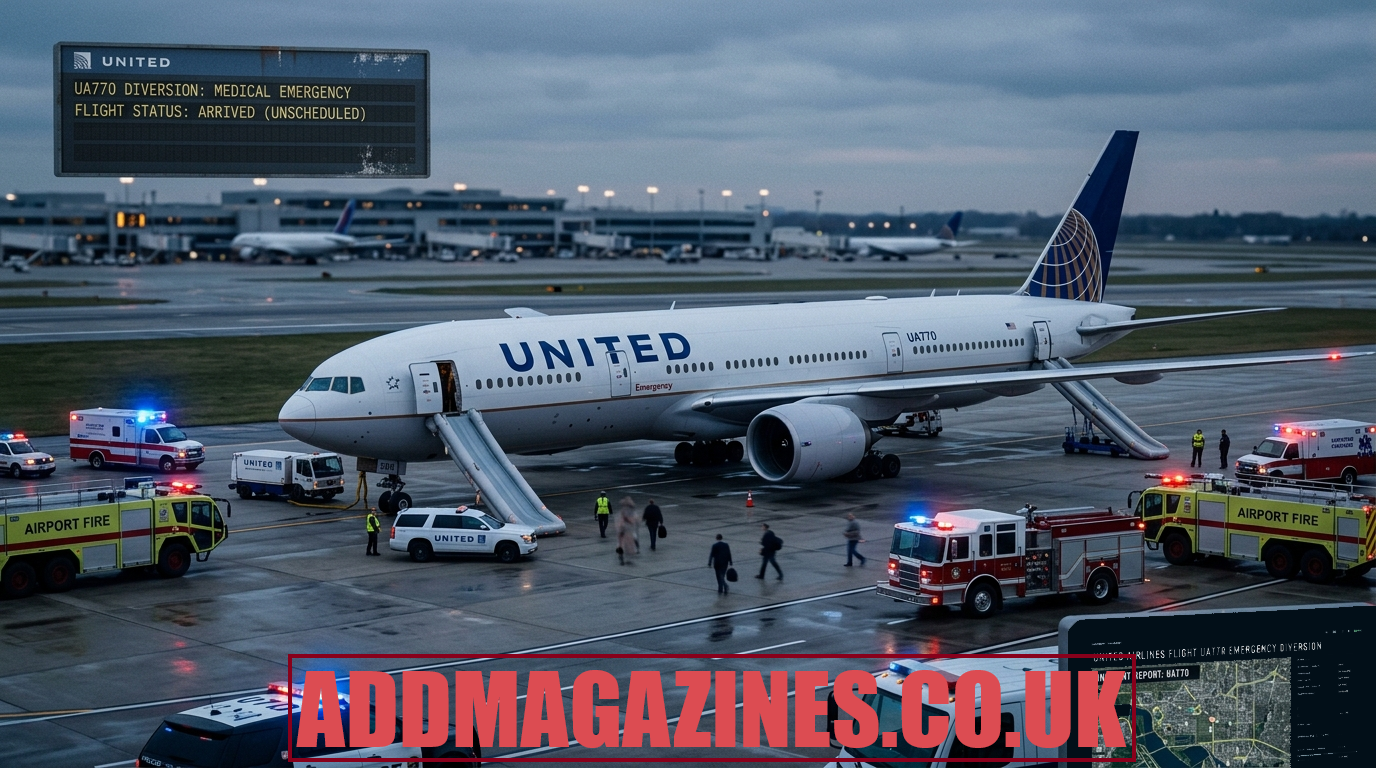
Air travel is often seen as one of the safest modes of transportation, yet even the most advanced aircraft and experienced crews occasionally face unexpected challenges. The keyword united airlines flight ua770 emergency diversion gained attention in 2025 after two separate incidents involving the same flight number raised questions about aviation safety, operational procedures, and aircraft systems. While both events ended safely, they offered a revealing look into how modern aviation handles in-flight emergencies. These incidents weren’t connected in terms of aircraft or crew, but they shared a common issue—cabin pressurization concerns—which made them particularly noteworthy. Let’s unpack both occurrences in detail, explore what really happened, and understand what these diversions mean for passengers and the airline industry.
Table of Contents
ToggleUnderstanding Flight Numbers and Operational Context
Before diving into the incidents, it’s important to understand how flight numbers work. Airlines frequently reuse flight numbers for different routes, schedules, and aircraft. So, while the name “UA770” might sound like a single recurring flight, it actually represents multiple operations depending on the day and route. This explains why the united airlines flight ua770 emergency diversion incidents in May and August 2025 were entirely separate events. Both flights operated under the same number but followed different routes across the Atlantic. This reuse can sometimes create confusion in media reports, making it seem like a pattern when, in reality, these are independent occurrences handled according to standard aviation protocols.
May 27, 2025: Barcelona to Chicago Diversion
The first recorded united airlines flight ua770 emergency diversion in 2025 occurred on May 27. The aircraft departed from Barcelona, heading toward Chicago, a routine transatlantic journey. However, while cruising over the Atlantic Ocean, the flight crew detected irregularities related to cabin pressurization. These systems are crucial because they maintain a breathable environment at high altitudes where oxygen levels are insufficient for human survival.
Rather than taking any risks, the pilots made the decision to divert the aircraft to London Heathrow Airport. The flight landed safely on Runway 27R, and passengers were calmly deplaned at Gate B44. No injuries were reported, and the aircraft was taken for engineering inspection. Though the situation might have been unsettling for passengers, the crew’s swift and cautious response ensured a safe outcome, reflecting the rigorous training airline pilots undergo.
August 26, 2025: Chicago to London Emergency Diversion
The second united airlines flight ua770 emergency diversion happened on August 26, 2025, and involved a more dramatic sequence of events. This time, the aircraft was a Boeing 787-9 Dreamliner traveling from Chicago O’Hare to London Heathrow. Roughly two hours into the flight, a critical cabin pressurization issue emerged. Unlike the May incident, this situation required immediate action.
The crew initiated a rapid descent to approximately 10,000 feet, a standard emergency maneuver that allows passengers to breathe normally without supplemental oxygen. Oxygen masks were deployed as a precaution, adding to the intensity of the moment. The aircraft diverted to Shannon Airport in Ireland, where it landed safely. All 256 passengers and 14 crew members disembarked without injury. Despite the urgency, the situation was handled efficiently, demonstrating the effectiveness of modern aviation safety systems.
What Is Cabin Pressurization and Why It Matters
Cabin pressurization is a critical aspect of high-altitude flight. At cruising altitudes, the air outside an aircraft is too thin to support human life. Pressurization systems regulate the cabin environment, ensuring passengers and crew can breathe comfortably. When these systems malfunction or show irregular readings, immediate action is required.
In both united airlines flight ua770 emergency diversion cases, the issue revolved around pressurization concerns. While not uncommon in aviation, such issues are taken very seriously. Even a minor discrepancy can prompt a diversion because safety protocols prioritize caution over convenience. The goal is simple: eliminate risk before it escalates into a dangerous situation.
How Pilots Handle Emergency Diversions
Emergency diversions are part of standard pilot training. When an issue arises mid-flight, pilots follow a structured decision-making process. They assess the severity of the problem, consult with air traffic control, and choose the nearest suitable airport for landing.
In the case of the united airlines flight ua770 emergency diversion, both crews acted quickly and decisively. The May flight opted for a controlled diversion, while the August flight required a more urgent descent. In both scenarios, communication with passengers played a key role in maintaining calm. Flight attendants are trained to handle such situations, ensuring passengers follow safety instructions and remain composed throughout the process.
Passenger Experience During an Emergency
For passengers, experiencing an emergency diversion can be unsettling. The sudden deployment of oxygen masks or a rapid descent can create anxiety, especially for those unfamiliar with aviation procedures. However, these actions are precautionary and designed to maximize safety.
During the united airlines flight ua770 emergency diversion incidents, passengers reportedly remained calm, guided by clear instructions from the crew. Airlines prioritize transparency during such events, providing updates and reassurance. Once on the ground, passengers are typically assisted with rebooking, accommodations, and any necessary support, ensuring their journey continues with minimal disruption.
Aircraft Technology and Safety Systems
Modern aircraft like the Boeing 787-9 Dreamliner are equipped with advanced safety systems designed to detect and respond to anomalies. These systems continuously monitor cabin pressure, temperature, and structural integrity. When something appears off, alerts are triggered, allowing the crew to take immediate action.
The united airlines flight ua770 emergency diversion in August highlighted how these systems work in real time. The early detection of a pressurization issue allowed the crew to respond before the situation became critical. This proactive approach is a cornerstone of aviation safety, ensuring that potential problems are addressed well before they pose a serious threat.
Why Diversions Are a Sign of Safety, Not Failure
It’s easy to assume that an emergency diversion indicates something went wrong. In reality, it’s quite the opposite. Diversions are a built-in safety measure, a way to manage risk effectively. When pilots choose to divert, they’re following strict guidelines designed to protect everyone on board.
The two united airlines flight ua770 emergency diversion events demonstrate this principle perfectly. In both cases, the crews prioritized safety over schedule, opting for precautionary landings rather than continuing the journey under uncertain conditions. This mindset is what makes air travel one of the safest forms of transportation in the world.
Comparing the Two Incidents
Although both incidents involved cabin pressurization concerns, there were notable differences. The May diversion was more precautionary, with no immediate danger requiring rapid descent. The August incident, on the other hand, involved a critical situation that demanded urgent action, including oxygen mask deployment.
Despite these differences, the outcome was the same: safe landings and no injuries. This consistency underscores the reliability of aviation protocols. Whether the issue is minor or severe, the response is always guided by safety-first principles, ensuring that passengers and crew are protected at all times.
Industry Implications and Lessons Learned
The united airlines flight ua770 emergency diversion incidents serve as valuable case studies for the aviation industry. They highlight the importance of continuous monitoring, crew training, and system reliability. Airlines and manufacturers regularly analyze such events to identify areas for improvement.
These incidents also reinforce the importance of redundancy in aircraft systems. Modern planes are designed with multiple backup systems, ensuring that even if one component fails, others can maintain safe operation. This layered approach to safety is what allows aviation to maintain its impressive safety record.
Conclusion
The events surrounding united airlines flight ua770 emergency diversion in 2025 offer a compelling look into how aviation handles unexpected challenges. While the phrase itself might sound alarming, the reality is reassuring. Both incidents were managed with professionalism, precision, and a clear focus on passenger safety. From the initial detection of pressurization issues to the final safe landings, every step followed established protocols designed to minimize risk. These diversions weren’t signs of failure but examples of safety systems working exactly as intended. For passengers, it’s a reminder that even in rare emergencies, the aviation industry is well-equipped to handle the situation. In the end, the story of UA770 isn’t about danger—it’s about resilience, preparedness, and the unwavering commitment to safety that defines modern air travel.
For More Updates: