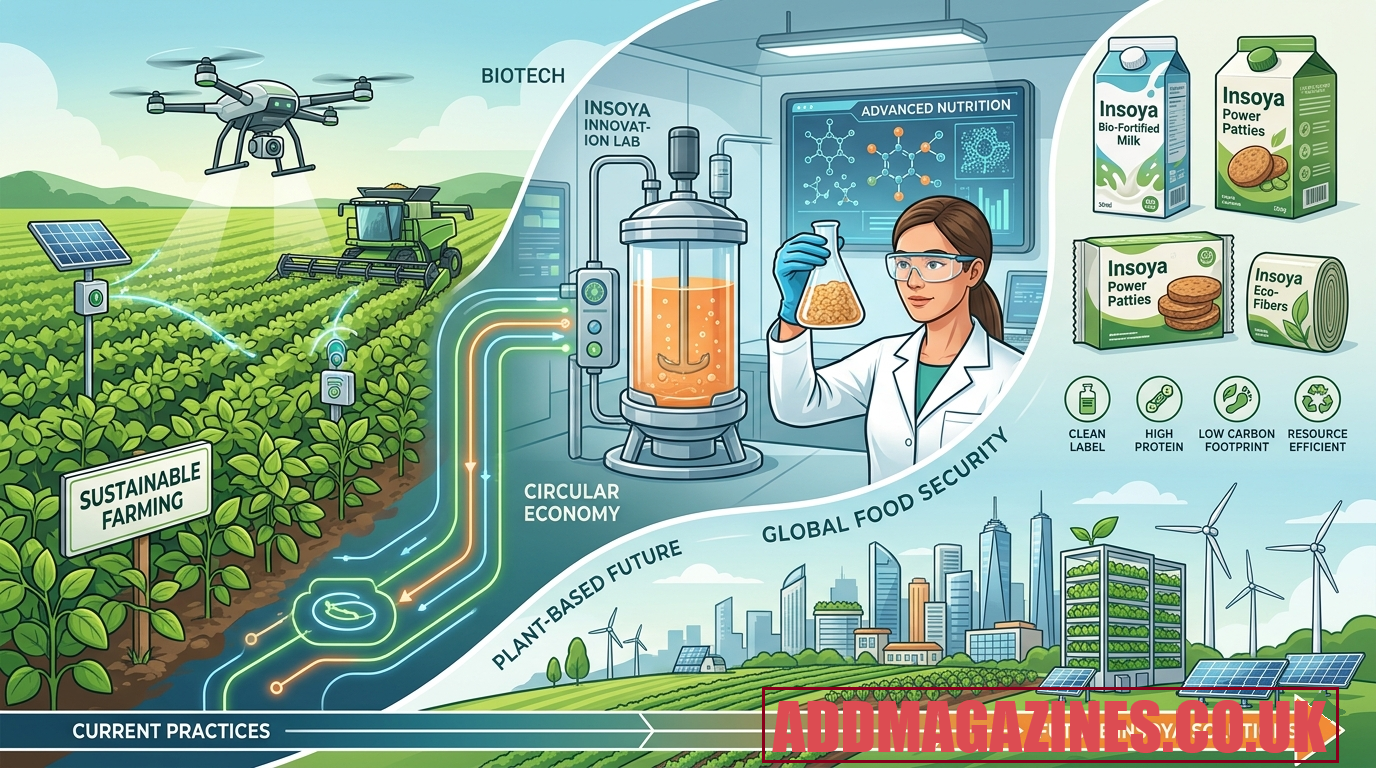
Insoya represents a growing wave of innovation centered around soy-based products designed to improve health, nutrition, and environmental sustainability. In recent years, plant-based lifestyles have moved from niche dietary choices to mainstream global trends, and soy has become one of the most important ingredients in this transformation. From protein-rich meat alternatives to dairy-free beverages and eco-friendly materials, soy is being reimagined in countless ways. Insoya captures this evolution by combining traditional agricultural value with modern food technology, offering solutions that appeal to health-conscious consumers and environmentally aware communities alike. As the demand for sustainable living continues to rise, soy-based innovation is becoming a key part of how people think about food, wellness, and the future of consumption.
The Concept and Evolution of Insoya
The concept of insoya is rooted in the idea of maximizing the potential of soybeans beyond their traditional culinary uses. Soy has been consumed for centuries in various cultures, but recent advancements in food science have expanded its applications dramatically. Today, insoya refers to a broad category of soy-derived products that include plant-based meats, protein supplements, dairy substitutes, and even biodegradable materials. This evolution reflects changing dietary habits and increasing awareness of environmental impact. As people look for alternatives to animal-based foods, soy provides a flexible, nutrient-rich foundation that can be adapted into many forms. Insoya, therefore, is not just a product category but a representation of how innovation can reshape everyday nutrition.
Nutritional Value and Health Advantages of Soy-Based Products
One of the strongest reasons behind the popularity of soy-based innovation is its impressive nutritional profile. Products associated with insoya are typically rich in high-quality plant protein, making them an excellent substitute for meat in vegetarian and vegan diets. Soy also contains essential nutrients such as iron, calcium, magnesium, and various B vitamins that contribute to overall well-being. These nutrients play a vital role in supporting muscle health, bone strength, and energy production. Additionally, soy-based foods are often low in saturated fats, which can contribute to better heart health when consumed as part of a balanced diet. This combination of protein density and micronutrient richness makes soy a valuable ingredient in modern nutrition-focused food systems.
Insoya and the Rise of Plant-Based Diets
The global shift toward plant-based diets has significantly influenced the development of insoya products. More consumers are reducing their intake of animal products due to concerns about health, ethics, and environmental sustainability. As a result, food manufacturers have invested heavily in creating soy-based alternatives that closely mimic the taste and texture of meat and dairy. These innovations allow individuals to enjoy familiar foods while making more sustainable choices. Plant-based burgers, soy milk, and protein-rich snacks are now widely available in supermarkets and restaurants. Insoya fits perfectly into this movement by offering versatile soy-derived options that meet the expectations of modern consumers seeking both flavor and nutrition.
Sustainability and Environmental Impact of Soy Innovation
Sustainability is at the heart of soy-based development, and insoya plays a significant role in reducing environmental pressure caused by traditional food production. Livestock farming is known to require large amounts of land, water, and energy, contributing to greenhouse gas emissions and deforestation. In contrast, soy cultivation generally has a lower environmental footprint when managed responsibly. By shifting toward soy-based alternatives, consumers can help reduce resource consumption and environmental degradation. Insoya products support this transition by offering practical replacements that do not compromise on quality or nutrition. This makes soy innovation an important contributor to global efforts aimed at achieving a more sustainable food system.
Common Applications in Food and Everyday Products
Insoya is widely used in a variety of modern food products that cater to different dietary needs and preferences. One of the most common applications is in plant-based meat substitutes, which are designed to replicate the texture and flavor of beef, chicken, or other animal proteins. Soy is also used in protein bars, snacks, and supplements aimed at fitness enthusiasts and health-conscious individuals. In addition to food, soy-based materials are increasingly being used in eco-friendly packaging and biodegradable products. These applications highlight the versatility of soy as a raw material. Depending on the context, insoya may also refer to specific branded products or cultural interpretations, further expanding its relevance in different markets.
Technological Advancements in Soy Processing
The development of insoya products has been made possible by significant advancements in food processing technology. Modern techniques allow manufacturers to isolate soy proteins, modify textures, and enhance flavors in ways that closely resemble animal-based foods. This has been crucial in improving consumer acceptance of plant-based alternatives. Technologies such as extrusion processing and fermentation have enabled the creation of more realistic meat substitutes with improved taste and mouthfeel. Additionally, innovations in food science have helped reduce the natural “beany” flavor of soy, making products more appealing to a wider audience. These advancements continue to push the boundaries of what soy can achieve in the food industry.
Cultural and Global Influence of Soy-Based Trends
Soy has a long history in many cultures, particularly in Asia, where it has been a dietary staple for centuries. In modern times, however, soy-based innovation has taken on a global identity through products associated with insoya. In some contexts, the term may also be linked to regional food trends or emerging brands that incorporate soy into traditional recipes. For example, soy-based ingredients are increasingly being integrated into fusion cuisine, where traditional dishes are adapted using plant-based alternatives. This cultural flexibility has helped soy gain acceptance across different regions and culinary traditions. As a result, insoya is not just a dietary concept but also a reflection of global food evolution.
Role of Insoya in Health-Conscious Lifestyles
Health-conscious consumers are increasingly turning to soy-based products as part of their daily diet. Insoya offers a practical solution for individuals seeking balanced nutrition without relying heavily on animal products. Its high protein content supports muscle maintenance and recovery, making it particularly popular among athletes and fitness enthusiasts. Additionally, soy contains compounds such as isoflavones, which have been studied for their potential benefits in supporting heart health and hormonal balance. While dietary needs vary from person to person, soy-based foods provide a flexible option that can be incorporated into various meal plans. This adaptability is one of the key reasons behind the growing popularity of soy innovation.
Challenges and Future Potential of Soy-Based Innovation
Despite its many advantages, the development of insoya products also faces certain challenges. Taste preferences, cultural habits, and misconceptions about soy can sometimes limit consumer acceptance. Additionally, large-scale soy farming must be managed responsibly to avoid environmental issues such as monoculture farming and deforestation in certain regions. However, ongoing research and innovation are addressing many of these concerns by improving product quality and promoting sustainable agricultural practices. The future of soy-based innovation looks promising, with continued advancements expected in food technology, nutrition science, and environmental sustainability. As awareness grows, insoya is likely to become an even more significant part of the global food landscape.
Conclusion: The Growing Importance of Insoya in a Changing World
Insoya represents more than just soy-based products; it reflects a broader shift toward healthier, more sustainable, and innovative ways of living. By combining nutritional value with environmental responsibility, soy-based solutions are helping reshape the global food industry. From plant-based meats to eco-friendly materials, soy continues to demonstrate its versatility and importance in modern society. As consumers become more conscious of their dietary and environmental choices, the demand for soy-based innovation is expected to grow even further. In this evolving landscape, insoya stands as a symbol of progress, offering practical and forward-thinking solutions for the future of food and sustainability.
For More Updates: